
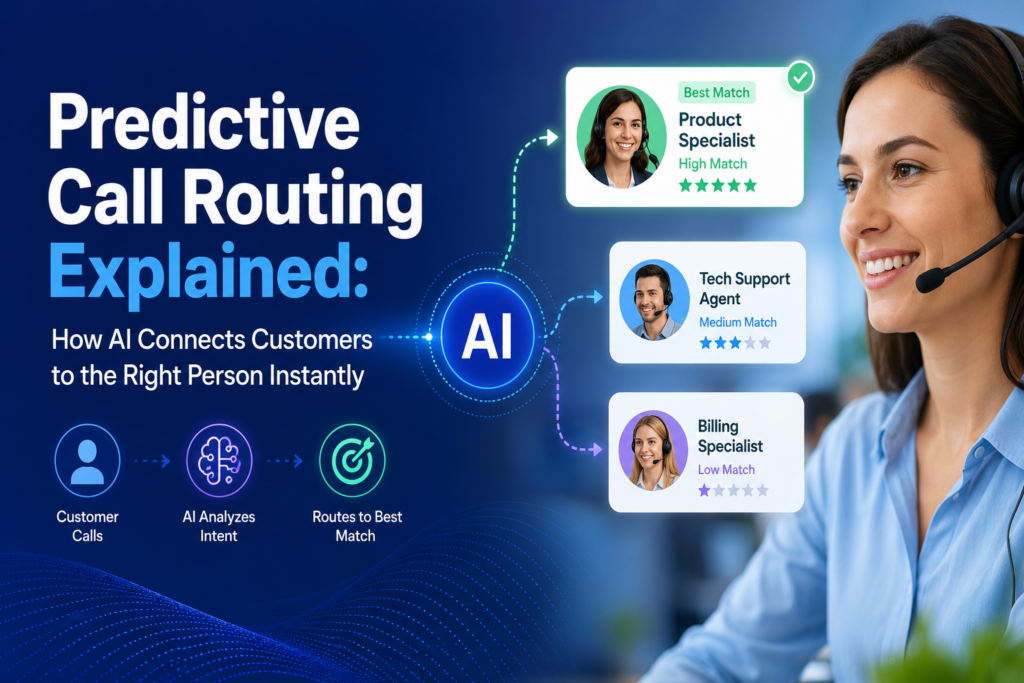
Predictive Call Routing Explained: How AI Connects Customers to the Right Person Instantly
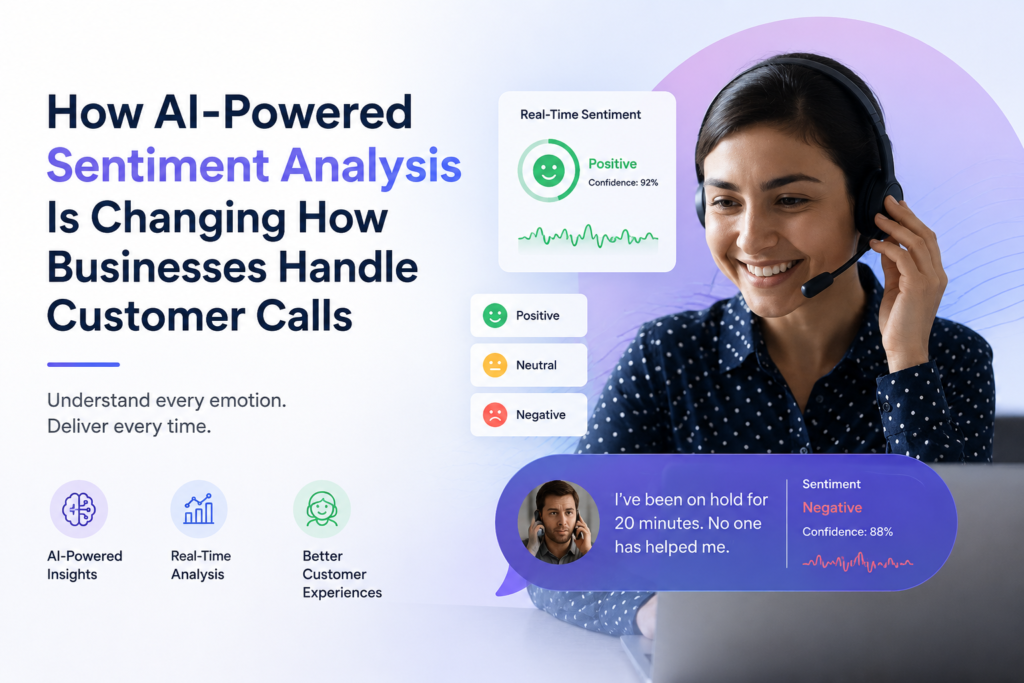
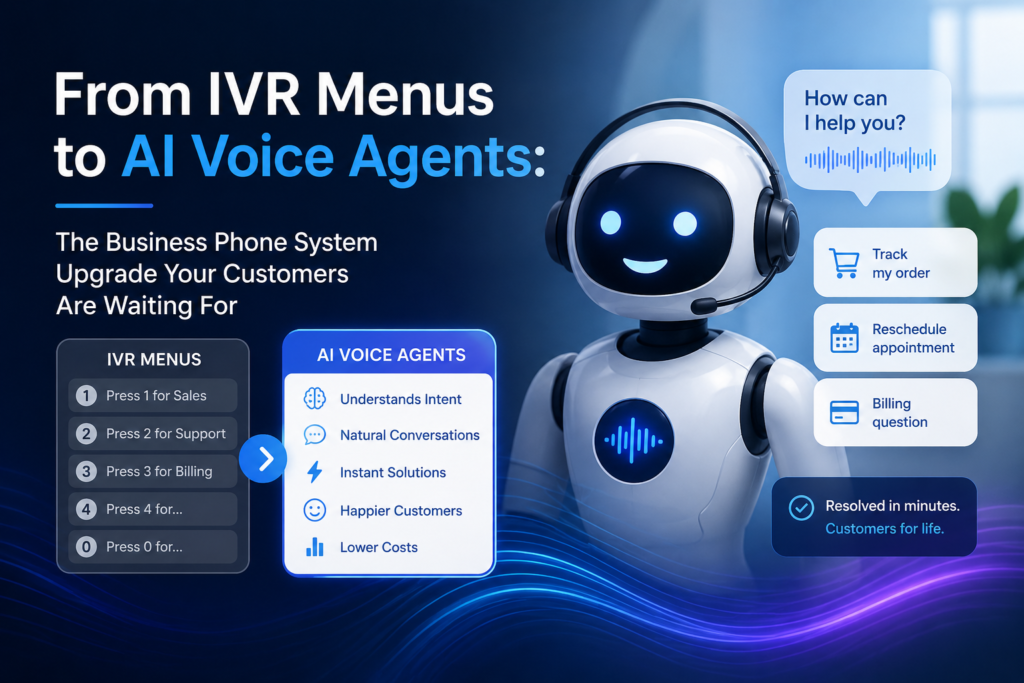
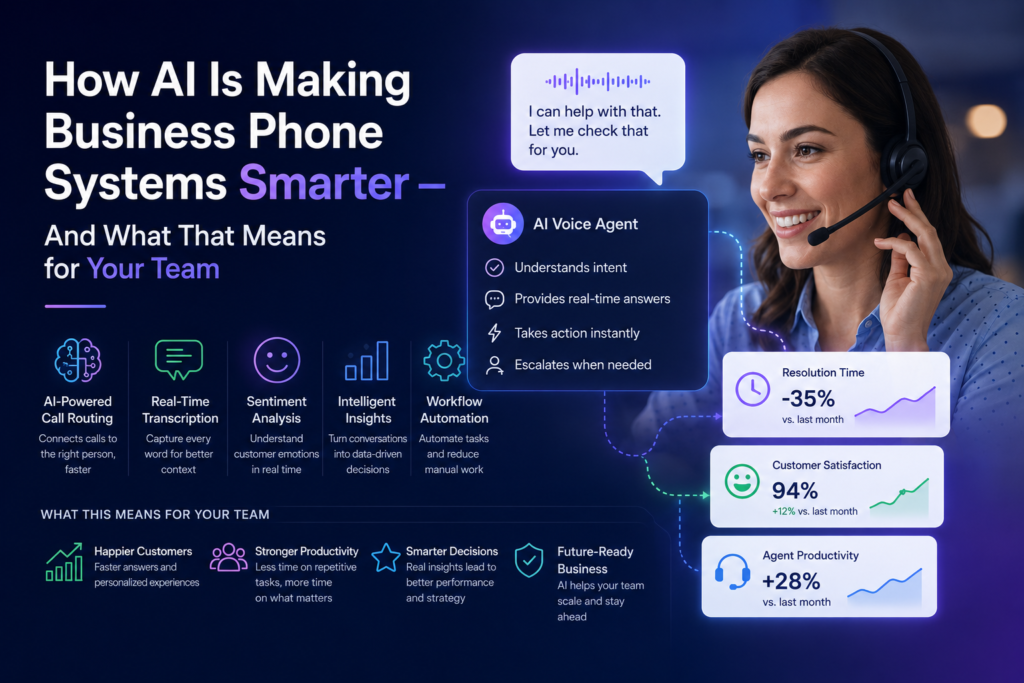
Picture this: a customer calls your business during a busy Monday morning. They are not in the mood to listen to a long menu, repeat their issue three times, or wait while someone “finds the right department.” They need help now. Maybe it is a patient trying to confirm an appointment, a restaurant customer asking about a catering order, a retail shopper checking product availability, or a business client calling about an urgent service issue. In that moment, your phone system either creates confidence or frustration. That is where predictive call routing is changing the way modern businesses handle customer communication. Instead of sending every caller through the same basic phone tree, predictive call routing uses artificial intelligence, customer data, call history, intent recognition, and real-time business rules to connect each caller to the best available person, team, or automated resource. For businesses that depend on reliable phone service, fast response times, and smooth customer experiences, it is becoming one of the most practical uses of AI in business communications. What Is Predictive Call Routing? Predictive call routing is an AI-powered phone system feature that analyzes information about an incoming call and predicts the best destination for that caller. The goal is simple: get the customer to the right person faster. Traditional call routing usually follows fixed rules. For example, “Press 1 for sales, press 2 for support, press 3 for billing.” That may work for very simple organizations, but it often breaks down when customers do not know which option to choose, when departments overlap, or when agents have different skill levels. Predictive call routing is smarter. It can look at signals such as: With that information, the system can route a returning customer to the same representative, send a billing question directly to accounting, prioritize an urgent service issue, or move an after-hours caller to an AI phone assistant that can collect details and schedule a follow-up. How AI Makes Call Routing Faster and More Accurate AI improves call routing by recognizing patterns that a basic phone system cannot. Instead of relying only on keypad selections, modern systems can use natural language processing to understand what callers say in their own words. For example, a customer might say, “I was charged twice,” “I need help with my invoice,” or “There’s a problem with my bill.” A traditional menu may force that person to guess the right option. An AI-powered routing system can recognize that all three statements likely belong to billing support. AI can also learn from past interactions. If customers with a certain issue usually get resolved faster by a specific team, the system can begin routing similar calls there. If one agent has stronger results with technical troubleshooting while another is better at renewals or account questions, predictive routing can use that knowledge to improve future call outcomes. This is why AI in the contact center is not just about replacing people. In many cases, it is about helping customers reach the right people sooner. A 2025 McKinsey article on contact centers noted that voice remains a dominant live interaction channel and that AI can help connect systems in real time to create more intelligent service experiences. Why Businesses Are Moving Beyond Traditional IVR Menus Customers have become less patient with outdated phone menus. They expect fast answers, especially when they are calling from a mobile phone during a busy workday. Long hold times, confusing menu options, and repeated transfers can make a business feel disorganized even when the team behind the scenes is working hard. Research continues to show that wait time and difficulty reaching the right person are major pain points. The Qualtrics Contact Center Trends 2025 report found that consumers are least satisfied with the time they spend waiting, and that fewer than two in three issues are resolved on the first call. That matters because phone experience affects trust. When a customer gets routed correctly the first time, the conversation starts on a better note. The agent has more context, the customer feels heard, and the business has a better chance of resolving the issue quickly. The Business Benefits of Predictive Call Routing 1. Shorter Wait Times Predictive routing can reduce unnecessary transfers and queue time by sending callers directly to the best destination. When fewer people are stuck in the wrong queue, everyone moves faster. 2. Better First-Call Resolution First-call resolution is one of the most important customer service metrics. If the right person answers the first time, the customer is more likely to leave with a solved problem instead of a promise that someone will call back later. 3. Less Pressure on Staff Agents lose time when they answer calls that should have gone somewhere else. Predictive routing helps reduce that friction. A 2025 IDC InfoBrief commissioned by Talkdesk reported that many contact centers still depend heavily on live agents, while outdated IVR systems continue to create unresolved calls and customer frustration. 4. More Personalized Customer Service When the phone system recognizes a returning customer, open ticket, preferred department, or service history, the experience feels more personal. The caller does not have to start from zero every time. 5. Smarter After-Hours Call Handling Not every call happens during office hours. Predictive routing can work with an AI phone assistant to answer common questions, capture caller details, route emergencies, or schedule a callback. That means your business can stay responsive even when your team is unavailable. Predictive Call Routing Examples by Industry Healthcare Offices A patient calling about an appointment can be routed to scheduling, while a patient asking about a bill can go directly to the billing team. Urgent calls can be flagged and handled faster. Law Firms New client inquiries can go to intake, existing clients can reach their assigned legal team, and after-hours calls can be captured professionally instead of going to a basic voicemail box. Retail Businesses Customers can be routed based on store location, product category, order status, or return questions. Multi-location retailers can avoid